
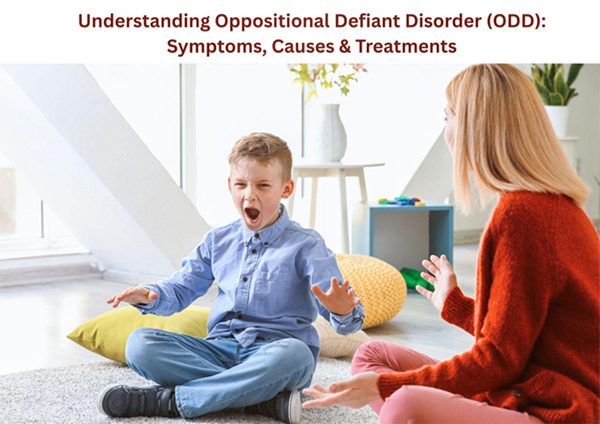
Oppositional Defiant Disorder (ODD) is a behavioral condition that can significantly impact a child’s relationships, school performance, and family dynamics. If you’re noticing persistent patterns of defiance, irritability, or argumentative behavior in your child, understanding ODD and connecting with a qualified Boca Raton psychiatrist can be an important first step toward better support and treatment.
In this guide, we’ll explore what ODD looks like, potential causes, how it is diagnosed, and the evidence-based treatments commonly used to help children and families thrive. Knowing the signs and available treatment options empowers caregivers to access appropriate care early, reducing long-term challenges and improving outcomes.
What Is Oppositional Defiant Disorder (ODD)?
Oppositional Defiant Disorder is a childhood behavioral condition characterized by a consistent pattern of angry, defiant, and oppositional behaviors that go beyond typical childhood misbehavior. Children with ODD may frequently lose their temper, argue with adults, deliberately annoy others, refuse to follow rules, or blame others for their mistakes.
ODD can interfere with social functioning, academic success, and family harmony. Early evaluation and support from a child specialist - such as a Boca Raton psychiatrist - can make a meaningful difference in helping children develop more adaptive behaviors and coping skills.
Recognizing Common Symptoms of ODD
ODD is more than occasional defiance. Symptoms are typically observed across settings - at home, at school, and sometimes with peers - and are consistent over time. Common symptoms include:
Behavioral Signs
- Frequent temper tantrums
- Arguing with adults or caregivers
- Refusal to comply with rules or requests
- Deliberate attempts to annoy or upset others
- Blaming others for mistakes or misbehavior
- Easily annoyed or irritated
Emotional Patterns
- Anger and resentment
- Low frustration tolerance
- Frequent irritability or moodiness
- Persistent negative attitude
Symptoms usually present for at least six months and are developmentally inappropriate given the child’s age. Because these behaviors can look similar to normal childhood challenges at times, proper assessment by a trained clinician is essential.
What Causes Oppositional Defiant Disorder?
The exact cause of ODD is not known, but research points to a combination of biological, psychological, and environmental factors:
Neurological and Temperamental Factors
Some children may be more biologically predisposed to impulsivity, strong emotional responses, and difficulty self-regulating behavior. These temperamental traits can make frustration and emotional control more challenging.
Family Dynamics and Parenting Style
High levels of family conflict, inconsistent discipline, lack of structure, or strained parent-child relationships may contribute to oppositional behaviors. Children thrive with clear expectations, positive reinforcement, and consistent routines.
Environmental Stressors
Stressful experiences - such as transitions, instability, trauma, or academic struggles - can worsen defiant behavior, especially if the child lacks adaptive coping skills.
Co-Occurring Conditions
ODD often co-exists with other concerns, such as ADHD, anxiety disorders, or learning challenges. A comprehensive evaluation by a Boca Raton psychiatrist helps identify whether multiple factors are contributing and informs a more effective treatment plan.
How Is ODD Diagnosed?
ODD is diagnosed based on careful clinical evaluation that includes:
- Detailed behavioral history
- Observation of symptoms across settings
- Input from caregivers and teachers
- Ruling out other medical or psychiatric conditions
A Boca Raton psychiatrist or child mental health specialist may use standardized questionnaires, interviews, and developmental assessments to form an accurate diagnosis. Because many children may exhibit defiant behavior at times, clinical assessment focuses on patterns, duration, and impact on functioning.

Evidence-Based Treatment Options for ODD
Treating ODD often involves a combination of behavioral strategies, parent/caregiver support, and coordination with schools or community programs. Early intervention is associated with better long-term outcomes.
Parent Training and Behavioral Therapy
Parent training programs teach caregivers how to:
- Set clear, consistent expectations
- Use positive reinforcement
- Implement effective discipline strategies
- Reduce power struggles
- Improve communication
These programs help parents respond effectively to challenging behaviors while reinforcing positive skills.
Individual Therapy for the Child
Therapeutic support can help the child:
- Develop emotional regulation skills
- Improve frustration tolerance
- Learn social problem-solving
- Practice adaptive coping strategies
Cognitive behavior-based approaches are often effective for helping children recognize and change unhelpful behavior patterns.
Family Therapy and Support
Family therapy strengthens relationships, improves communication, and promotes collaborative problem-solving. It can be especially helpful when oppositional behaviors cause significant family tension.
Collaboration With Schools
Coordinating care with teachers and school staff allows consistent expectations and reinforcement across home and school environments, which is key for progress.
Medication (When Appropriate)
Medication is not the primary treatment for ODD itself but may be considered when co-occurring conditions (such as ADHD or anxiety) are present. A Boca Raton psychiatrist can evaluate whether medication management is appropriate as part of a comprehensive treatment plan.
FAQs About ODD and Treatment
Q: Is ODD the same as typical misbehavior?
A: No. While all children push boundaries at times, ODD involves persistent patterns of defiance and negativity that significantly impair daily functioning across settings.
Q: Can children outgrow ODD?
A: With early support and effective strategies, many children improve significantly. Consistent intervention helps reduce symptoms and promote adaptive skills into adolescence and adulthood.
Q: Does ODD always require professional help?
A: When symptoms are frequent, intense, and interfering with school or relationships, evaluation by a specialist-such as a Boca Raton psychiatrist or child psychologist - is recommended.
Q: Can medication help?
A: Medication may be useful for co-occurring conditions (e.g., ADHD, anxiety), but behavioral interventions are the cornerstone of ODD treatment.
Q: How long does treatment take?
A: Progress varies by child and family circumstances. Many children benefit from ongoing support over months, with regular evaluation and adjustments as needed.
About Dr. Priti Kothari
Dr. Priti Kothari provides compassionate, evidence-based evaluation and treatment for Oppositional Defiant Disorder (ODD) and related behavioral concerns for families in Boca Raton and throughout South Florida. Her practice offers comprehensive diagnostic assessments, individualized treatment plans, parent guidance, behavioral support, and coordination with schools and community resources to support long-term emotional and behavioral growth.
References
1. American Psychiatric Association (APA)
Diagnostic Criteria for Oppositional Defiant Disorder (DSM-5-TR)
https://www.psychiatry.org
2. National Institute of Mental Health (NIMH)
Oppositional Defiant Disorder Information
https://www.nimh.nih.gov
3. Centers for Disease Control and Prevention (CDC)
Data & Statistics on Childhood Behavioral Disorders
https://www.cdc.gov
4. American Academy of Pediatrics (AAP)
Clinical Practice Guideline: ADHD and Behavioral Disorders (including ODD)
https://www.aap.org
5. Child Mind Institute
Oppositional Defiant Disorder (Parent-Friendly Resource with Evidence Support)
https://childmind.org
6. Mayo Clinic
Oppositional Defiant Disorder – Overview & Treatment Options
https://www.mayoclinic.org