
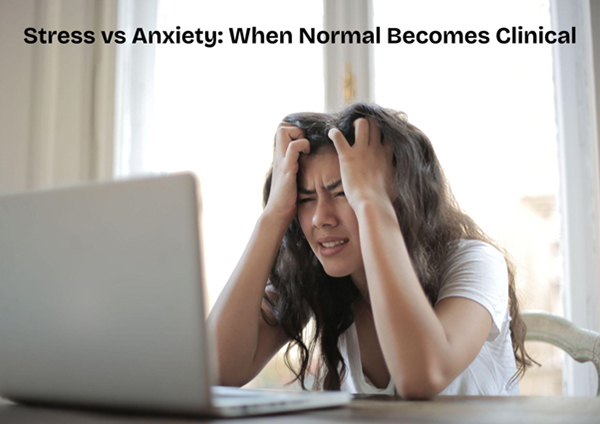
Stress and anxiety are often used interchangeably, yet they are not the same. While both are part of the human experience, there is a point where everyday stress or worry can cross into something more persistent, overwhelming, and clinical. Recognizing this shift is essential for early intervention and effective treatment.
As a trusted psychiatrist in West Palm Beach, Dr. Priti Kothari works closely with individuals who struggle to distinguish between normal stress responses and anxiety disorders that require clinical care. Understanding the difference empowers people to seek help before symptoms begin to interfere with daily life.
What Is Stress?
Stress is the body’s natural response to a challenge or demand. It is typically triggered by an identifiable external factor such as work pressure, relationship conflicts, financial concerns, or health issues.
Key characteristics of stress:
- Usually linked to a specific situation
- Tends to resolve once the stressor is removed
- Can feel overwhelming but is often temporary
- May cause physical symptoms like headaches, muscle tension, or fatigue
In manageable amounts, stress can even be helpful. It motivates action, improves focus, and supports problem-solving. However, chronic stress can take a toll on both mental and physical health if left unaddressed.
What Is Anxiety?
Anxiety goes beyond a reaction to external stressors. It often persists even when there is no clear or immediate threat. Anxiety disorders involve excessive fear, worry, or nervousness that is difficult to control and disproportionate to the situation.
Common features of anxiety:
- Ongoing worry that feels intrusive or uncontrollable
- Symptoms that persist for weeks or months
- Physical sensations such as racing heart, shortness of breath, or restlessness
- Avoidance of situations that trigger fear
Unlike stress, anxiety tends to be internally driven and can significantly interfere with daily functioning, relationships, and overall quality of life.
Stress vs Anxiety: Key Differences
| Stress | Anxiety |
|---|---|
| Triggered by external pressures | Often persists without a clear cause |
| Usually short-term | Long-lasting and recurring |
| Improves when situation resolves | Continues even after stressor ends |
| Can feel intense but manageable | Often feels overwhelming or disabling |
Understanding these differences is critical when determining whether professional evaluation is needed.
When Does Stress Become Clinical Anxiety?
Stress becomes clinical when symptoms:
- Do not subside after the stressor resolves
- Begin to affect sleep, concentration, or mood consistently
- Interfere with work, school, or relationships
- Cause avoidance behaviors
- Lead to frequent physical symptoms without medical explanation
At this point, symptoms may meet criteria for an anxiety disorder such as generalized anxiety disorder (GAD), panic disorder, or social anxiety disorder.
A comprehensive evaluation by a psychiatrist in West Palm Beach can help determine whether symptoms are stress-related or part of a diagnosable anxiety condition.
The Impact of Untreated Anxiety
When anxiety remains untreated, it can contribute to:
- Chronic insomnia
- Depression
- Substance use
- Cardiovascular strain
- Reduced productivity and emotional resilience
Many individuals normalize their anxiety, assuming it is simply part of a busy or demanding life. However, persistent anxiety is not something one has to “push through.” Effective treatments are available.
How a Psychiatrist Can Help
Dr. Priti Kothari approaches anxiety and stress-related concerns with careful assessment and individualized treatment planning.
As a psychiatrist in West Palm Beach, her role includes:
- Differentiating stress responses from anxiety disorders
- Identifying underlying contributors such as trauma, burnout, or medical conditions
- Developing personalized treatment plans
- Monitoring progress and adjusting care as needed
Treatment may include psychotherapy, medication when appropriate, and guidance on lifestyle strategies that support emotional regulation.
Why Early Intervention Matters
Early evaluation prevents symptoms from becoming entrenched and helps individuals regain a sense of control sooner. Many patients report relief simply from understanding what they are experiencing and learning that it is treatable.
Seeking help is not a sign of weakness; it is a proactive step toward mental well-being.
FAQs: Stress and Anxiety
1. Can stress turn into an anxiety disorder?
Yes. Prolonged or unmanaged stress can increase the risk of developing an anxiety disorder, especially in individuals with genetic or psychological vulnerability.
2. How do I know if my anxiety is “normal”?
If worry is constant, difficult to control, or interferes with daily life, it may no longer be considered normal and should be evaluated by a mental health professional.
3. Do anxiety disorders always require medication?
Not always. Treatment depends on severity, duration, and individual needs. Some patients benefit from therapy alone, while others may need medication or a combination of approaches.
4. Can physical symptoms be caused by anxiety?
Yes. Anxiety commonly presents with physical symptoms such as chest tightness, gastrointestinal discomfort, dizziness, and fatigue.
5. When should I see a psychiatrist?
If stress or anxiety feels overwhelming, persistent, or disruptive to your life, consulting a psychiatrist in West Palm Beach can provide clarity and appropriate care.
Final Thoughts
Stress is a natural part of life, but when worry becomes persistent and overwhelming, it may signal something more serious. Understanding the difference between stress and anxiety is the first step toward effective treatment.
Dr. Priti Kothari, a trusted psychiatrist in West Palm Beach, helps individuals navigate these challenges with compassionate, evidence-based care — supporting long-term emotional health and resilience.