
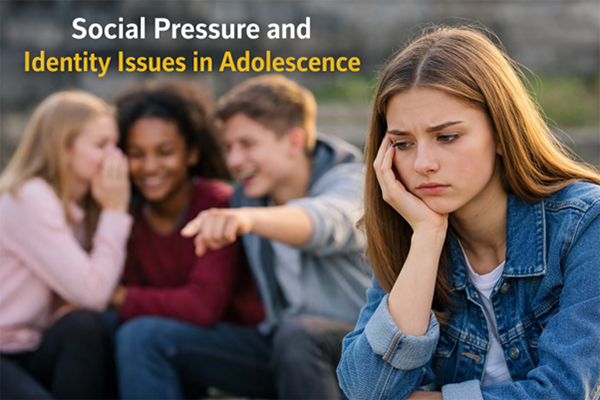
Adolescence is a critical developmental stage marked by rapid physical, emotional, and psychological changes. During this time, teens begin asking big questions: Who am I? Where do I fit in? While self-exploration is a normal and healthy part of growing up, social pressure can complicate identity formation and significantly impact a teenager’s mental health.
As a trusted child psychiatrist in Boca Raton, Dr. Priti Kothari frequently works with adolescents and families navigating the challenges of peer pressure, self-image concerns, and identity-related stress. Understanding these issues is the first step toward supporting teens in building a confident and authentic sense of self.
Understanding Social Pressure in Adolescence
Social pressure refers to the influence peers, social groups, media, and cultural expectations have on a teenager’s thoughts, behaviors, and self-perception. While some level of peer influence is normal, excessive or negative pressure can lead teens to suppress their true selves in order to gain acceptance.
Common sources of social pressure include:
- Peer groups and friendships
- Social media and online comparisons
- Academic and extracurricular expectations
- Family and cultural norms
- Societal standards related to appearance, popularity, or success
For adolescents whose brains are still developing—particularly the areas responsible for impulse control and emotional regulation—this pressure can feel overwhelming.
Identity Formation: Why It Matters
Identity formation is the process by which adolescents develop a sense of self, including their values, beliefs, interests, and goals. This stage is crucial for long-term emotional well-being. When teens feel safe exploring who they are, they are more likely to develop resilience, self-esteem, and healthy coping skills.
However, when identity development is shaped primarily by external approval, teens may experience:
- Chronic self-doubt
- Fear of rejection
- Difficulty making independent decisions
- Emotional distress or anxiety
A child psychiatrist in Boca Raton can help identify when identity struggles are part of typical development versus a sign of a deeper mental health concern.
How Social Pressure Affects Mental Health
Unmanaged social pressure can contribute to several mental health challenges during adolescence, including:
Anxiety and Depression
Teens may feel constant pressure to meet unrealistic standards, leading to feelings of inadequacy, persistent worry, or low mood.
Low Self-Esteem
Repeated comparison to peers or influencers can distort self-image and erode confidence.
Risky Behaviors
Some adolescents may engage in substance use, unsafe behaviors, or people-pleasing tendencies to gain acceptance.
Identity Confusion
Teens may feel disconnected from their authentic selves, unsure of what they truly want or believe.
Early intervention from a qualified child psychiatrist in Boca Raton can make a meaningful difference in preventing these issues from escalating.
Warning Signs Parents Should Watch For
Parents and caregivers play a vital role in recognizing when social pressure is negatively impacting their child. Warning signs may include:
- Sudden changes in behavior or friend groups
- Withdrawal from family or activities once enjoyed
- Increased irritability or emotional outbursts
- Obsessive concern with appearance or social approval
- Declining academic performance
If these patterns persist, seeking professional support is strongly recommended.
Supporting Adolescents Through Identity Challenges
Healthy support can help teens navigate social pressure while maintaining their individuality. Effective strategies include:
- Encouraging open communication: Create a judgment-free space where teens feel safe expressing themselves.
- Validating emotions: Acknowledge their feelings without minimizing their experiences.
- Promoting self-reflection: Help teens identify their own values, interests, and strengths.
- Limiting harmful social media exposure: Encourage mindful and balanced screen use.
- Professional guidance: Therapy and psychiatric support can help teens develop coping skills and self-confidence.
A compassionate child psychiatrist in Boca Raton can tailor treatment to each adolescent’s unique emotional and developmental needs.
When to Seek Professional Help
It may be time to consult a mental health professional if identity struggles or social pressure begin to interfere with daily functioning, relationships, or emotional stability. Early support can help adolescents gain clarity, confidence, and healthier coping mechanisms.
Frequently Asked Questions
Is identity confusion normal during adolescence?
Yes. Questioning identity is a normal part of development. However, intense distress or prolonged confusion may benefit from professional support.
Can social media worsen identity issues in teens?
Yes. Constant comparison and validation-seeking on social media can intensify self-doubt and pressure to conform.
How can parents help without being overbearing?
Listening, validating feelings, and offering guidance without judgment helps teens feel supported rather than controlled.
When should I contact a child psychiatrist?
If your teen shows ongoing emotional distress, withdrawal, or behavioral changes, consulting a child psychiatrist in Boca Raton can provide clarity and support.
Are identity issues linked to anxiety or depression?
They can be. Identity struggles often coexist with anxiety, depression, or low self-esteem, especially when social pressure is intense.
About Dr. Priti Kothari
Dr. Priti Kothari is a board-certified child, adolescent, and adult psychiatrist providing compassionate, evidence-based care in Boca Raton, Florida. She specializes in helping children and adolescents navigate emotional challenges, including anxiety, depression, ADHD, and identity-related concerns. With a thoughtful and individualized approach, Dr. Kothari partners with families to support healthy development, emotional resilience, and long-term well-being.
If you are looking for a trusted child psychiatrist in Boca Raton, Dr. Priti Kothari offers comprehensive evaluations and personalized treatment plans tailored to each child’s unique needs.
References
- Identity development can buffer peer pressure effects — Journal of Adolescence article showing teens with stronger identity commitment are less influenced by negative peer pressure.
https://pubmed.ncbi.nlm.nih.gov/22265669/ - Multidimensional peer pressure influences adolescent behavior — research illustrating how different types of pressure (peer involvement, norms) affect teens.
https://pubmed.ncbi.nlm.nih.gov/24301413/ - Peer influence affects gender identity aspects in young adolescents — longitudinal study on how peer pressure relates to identity-related social behavior.
https://pubmed.ncbi.nlm.nih.gov/27584667/ - Peer pressure & social media behavior — study showing how self-esteem and self-concept clarity moderate peer pressure’s impact on teen mobile social media use.
https://pmc.ncbi.nlm.nih.gov/articles/PMC10126400/