
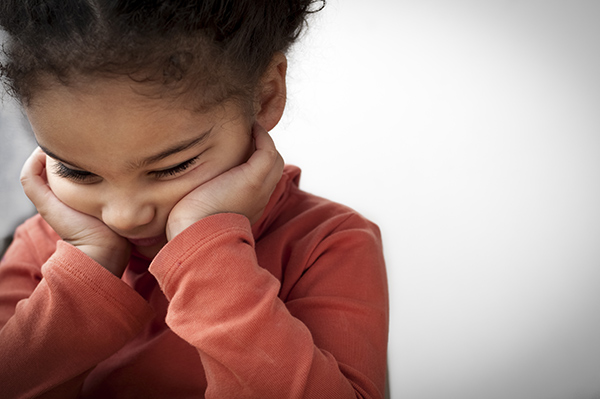
In childhood, anxiety is a normal part, but when it begins to interfere with the daily life of a child, it may be a real cause for concern. At different stages of development, many children face fear or worries. Though, consistent anxiety that cause a serious impact on sleep, school performance, or the school interactions may reflect a deeper issue that demands proper attention.
Excessive worrying, irritability, difficulty in concentration, and physical complaints like headache or stomachaches are some common signs of anxiety in children. Young children start behaving clingy or avoid certain conditions, on the other hand, older children may compete with the social withdrawal or school refusals. These signs and symptoms are often misunderstood as behavioral defects instead of emotional distress.
It is significant for parents to keenly notice the duration as well as patterns of these behaviors. Occasional unease is not the issue, but if the symptoms remain for weeks or start affecting the functioning of child, it may be the time to get professional directions. A significant difference can be made by early identification and support that aid children in managing their emotions more efficiently.
Open communication, reassurance, and the creation of safe and organized environment are the key factors that are involved in supporting a child with anxiety. Limiting stressors, encouraging healthy routines, and teaching the coping skills are the tools that can give more clarity as well suitable support for both the child and his family.