
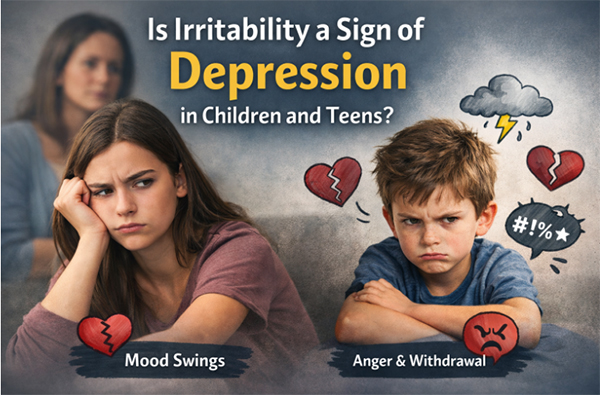
When people think of depression, they often picture sadness, crying, or withdrawal. However, in children and adolescents, depression does not always look the same as it does in adults. One of the most common — and often overlooked — signs of depression in young people is persistent irritability.
Parents frequently describe their child as “constantly angry,” “short-tempered,” or “easily frustrated,” without realizing these emotional shifts may reflect an underlying mood disorder. Understanding when irritability is developmentally normal and when it may signal depression is critical for early intervention and effective treatment.
As a psychiatrist in Boca Raton, recognizing these subtle but important signs can help families seek timely care and support.
What Is Irritability in Children and Teens?
Irritability refers to a low tolerance for frustration, frequent anger, emotional outbursts, or being easily annoyed. While occasional irritability is a normal part of development — especially during adolescence — chronic, intense irritability that interferes with daily functioning may indicate a mental health concern.
In younger children, depression often presents less as sadness and more as:
- Frequent tantrums
- Defiance or oppositional behavior
- Aggression toward peers or siblings
- Complaints of boredom or feeling “empty”
In teens, irritability may appear as:
- Persistent anger or resentment
- Social withdrawal combined with hostility
- Increased conflict with family
- Risk-taking or impulsive behavior
How Irritability Relates to Depression
According to the DSM-5, irritability can replace depressed mood as a core symptom of major depressive disorder in children and adolescents. This means a child does not have to appear sad to meet criteria for depression.
Depression-related irritability is typically:
- Persistent, lasting weeks or months
- Out of proportion to the situation
- Accompanied by other symptoms, such as fatigue, sleep changes, or academic decline
Common co-occurring symptoms include:
- Loss of interest in previously enjoyed activities
- Changes in appetite or sleep
- Difficulty concentrating
- Feelings of worthlessness or guilt
- Physical complaints like headaches or stomachaches
Irritability vs. Typical Moodiness
It can be difficult for parents to distinguish depression from normal emotional ups and downs. Key differences include duration, intensity, and impact on functioning.
| Typical Moodiness | Depression-Related Irritability |
| Temporary | Lasts most days for 2+ weeks |
| Situation-specific | Occurs across settings |
| Resolves with support | Persists despite reassurance |
| Does not impair functioning | Affects school, friendships, or family life |
If irritability is interfering with relationships, academic performance, or self-esteem, professional evaluation is recommended.
Conditions Commonly Confused With Depression
Irritability is not unique to depression and may also appear in:
- ADHD
- Anxiety disorders
- Disruptive Mood Dysregulation Disorder (DMDD)
- Trauma-related disorders
- Autism spectrum disorder
A comprehensive psychiatric assessment helps differentiate between these conditions, identify co-occurring diagnoses, and guide appropriate treatment.
When Should Parents Seek Help?
Consider consulting a psychiatrist in Boca Raton if your child or teen:
- Is irritable or angry most days
- Has sudden personality or behavior changes
- Withdraws from friends or activities
- Shows declining academic performance
- Talks about feeling hopeless or “done”
- Expresses thoughts of self-harm or death
Early intervention significantly improves outcomes and reduces long-term emotional and academic consequences.
Treatment Options for Depression-Related Irritability
Treatment is individualized and may include:
- Psychotherapy, such as cognitive behavioral therapy (CBT)
- Family therapy to improve communication and reduce conflict
- Medication, when clinically appropriate
- Lifestyle interventions, including sleep regulation and stress management
Addressing irritability directly — rather than labeling it as “bad behavior” — allows children and teens to feel understood and supported.
FAQs
Is irritability always a sign of depression in children?
No. Irritability can occur in many conditions or be developmentally normal. However, when it is persistent and impairing, depression should be considered.
Can a child be depressed without feeling sad?
Yes. In children and adolescents, irritability can replace sadness as the primary mood symptom of depression.
How long should irritability last before seeking help?
If irritability lasts more than two weeks, occurs most days, and affects functioning, professional evaluation is recommended.
Is depression in teens different from adults?
Yes. Teens often show depression through irritability, anger, and behavioral changes rather than overt sadness.
Can irritability improve with treatment?
Absolutely. With proper diagnosis and treatment, most children and teens experience significant improvement in mood and emotional regulation.
About the Doctor
Dr. Priti Kothariis a board-certified child, adolescent, and adult psychiatrist providing comprehensive, evidence-based mental health care. As a trusted psychiatrist in Boca Raton, Dr. Kothari specializes in evaluating mood disorders, behavioral concerns, and emotional challenges in children and teens. Her approach emphasizes careful diagnosis, individualized treatment, and collaboration with families to support long-term emotional well-being.
Medical References
- American Psychiatric Association. DSM-5-TR: Diagnostic and Statistical Manual of Mental Disorders.
https://www.psychiatry.org - National Institute of Mental Health (NIMH). Depression in Children and Adolescents.
https://www.nimh.nih.gov/health/topics/depression - American Academy of Child & Adolescent Psychiatry (AACAP). Depressive Disorders.
https://www.aacap.org - Stringaris A. Irritability in children and adolescents. Journal of the American Academy of Child & Adolescent Psychiatry.
https://www.jaacap.org