
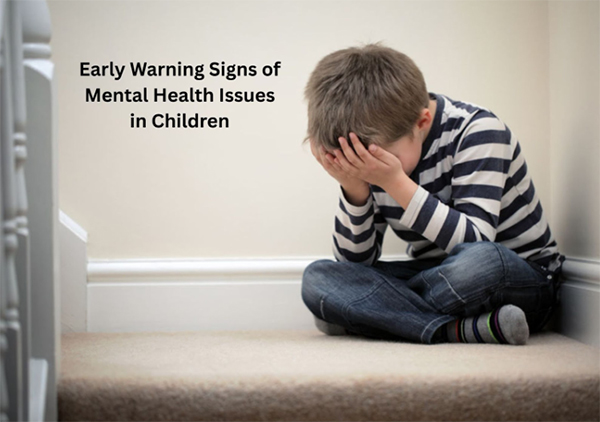
Mental health challenges can begin early in life, yet many signs are subtle and easy to overlook. Changes in a child’s emotions, behavior, or development are often dismissed as “phases,” stress, or temperament. However, recognizing the early warning signs of mental health issues in children can make a meaningful difference in outcomes. Early identification allows for timely support, appropriate intervention, and improved emotional and developmental well-being.
Understanding what to look for empowers parents, caregivers, and educators to act before concerns become more complex.
Why Early Detection Matters
Children’s brains are still developing, which makes early intervention especially effective. When mental health concerns are identified early, children are more likely to respond positively to treatment, build coping skills, and maintain healthy relationships at home and school.
Untreated mental health issues can affect:
- Academic performance
- Social development
- Family relationships
- Self-esteem and emotional regulation
Early support helps reduce long-term impact and supports healthier growth.
Common Emotional Warning Signs
Persistent Sadness or Irritability
While mood changes are normal, ongoing sadness, tearfulness, or irritability lasting several weeks may indicate depression or mood-related concerns. Children may appear withdrawn, hopeless, or easily frustrated without clear reason.
Excessive Anxiety or Fear
Children experiencing anxiety may show intense worry about everyday situations such as school, social interactions, or separation from caregivers. Physical complaints like stomachaches or headaches without medical cause can also be signs of anxiety.
Low Self-Esteem or Negative Self-Talk
Statements such as “I’m bad,” “I can’t do anything right,” or “Nobody likes me” may signal emotional distress. Persistent negative self-perception is not typical and warrants attention.
Behavioral Changes That May Signal Concern
Withdrawal From Activities or Relationships
Loss of interest in hobbies, play, or time with friends can be an early indicator of depression or emotional difficulty, especially when the child previously enjoyed these activities.
Frequent Emotional Outbursts
Intense tantrums, anger, or difficulty managing emotions beyond what is expected for a child’s developmental stage may suggest challenges with emotional regulation, anxiety, or behavioral disorders.
Regression in Behavior
Returning to behaviors such as bedwetting, thumb-sucking, or separation anxiety after they had resolved can be a sign of stress or emotional overwhelm.
Academic and Cognitive Warning Signs
Sudden Decline in School Performance
Difficulty concentrating, completing assignments, or keeping up academically may be related to attention difficulties, anxiety, depression, or learning-related stress.
Avoidance of School
Frequent complaints to avoid school, increased absenteeism, or strong resistance to attending class may be linked to anxiety, bullying, or emotional distress.
Difficulty With Focus or Organization
Challenges with attention, impulse control, or following instructions may point toward conditions such as ADHD, particularly when these patterns are persistent and affect multiple settings.

Physical and Sleep-Related Indicators
Changes in Sleep Patterns
Difficulty falling asleep, frequent nightmares, or sleeping too much can be associated with anxiety, mood disorders, or trauma-related stress.
Appetite Changes
Noticeable increases or decreases in appetite, unexplained weight changes, or restrictive eating behaviors should not be ignored.
Unexplained Physical Complaints
Recurring headaches, stomachaches, or fatigue without medical explanation may reflect emotional distress, especially when they coincide with stressful situations.
Social and Developmental Red Flags
Difficulty With Peer Relationships
Ongoing conflicts with peers, social isolation, or difficulty interpreting social cues may indicate emotional or developmental challenges.
Lack of Age-Appropriate Skills
Delays in emotional regulation, communication, or independence compared to peers may signal underlying concerns that benefit from professional evaluation.
When to Seek Professional Help
It may be time to consult a child psychiatrist or mental health professional if:
- Symptoms persist for several weeks
- Changes interfere with daily functioning
- Emotional or behavioral concerns worsen over time
- Safety concerns arise, such as talk of self-harm
A comprehensive psychiatric evaluation helps determine whether behaviors are developmentally typical or require intervention.
How Early Intervention Helps
Early mental health support may include:
- Parent guidance and education
- Behavioral strategies
- Therapy or counseling
- Medication management when clinically appropriate
Treatment plans are individualized and focus on supporting the child’s emotional, social, and developmental needs while involving families in the process.
Supporting Children’s Mental Health at Home
Parents and caregivers can support mental well-being by:
- Maintaining open, non-judgmental communication
- Providing consistent routines
- Encouraging emotional expression
- Modeling healthy coping strategies
- Seeking professional guidance early when concerns arise
Compassionate Care With Dr. Priti Kothari
Dr. Priti Kothari is a board-certified child, adolescent, and adult psychiatrist serving families across South Florida. She provides comprehensive evaluations and evidence-based treatment for emotional, behavioral, and developmental concerns in children and adolescents. Her approach emphasizes early identification, individualized care plans, and collaboration with families and schools to support long-term mental wellness.
References
- American Academy of Child & Adolescent Psychiatry (AACAP)
Warning Signs of Mental Illness in Children
https://www.aacap.org/AACAP/Families_and_Youth/Resource_Centers/Warning_Signs.aspx - National Institute of Mental Health (NIMH)
Children and Mental Health
https://www.nimh.nih.gov/health/topics/child-and-adolescent-mental-health - Centers for Disease Control and Prevention (CDC)
Mental Health in Children
https://www.cdc.gov/childrensmentalhealth - American Psychiatric Association (APA)
DSM-5-TR: Child and Adolescent Mental Disorders
https://www.psychiatry.org/psychiatrists/practice/dsm - Mayo Clinic
Children’s Mental Health: Recognizing Warning Signs
https://www.mayoclinic.org/healthy-lifestyle/childrens-health/in-depth/mental-illness-in-children/art-20046577 - World Health Organization (WHO)
Mental Health of Children and Adolescents
https://www.who.int/news-room/fact-sheets/detail/adolescent-mental-health