
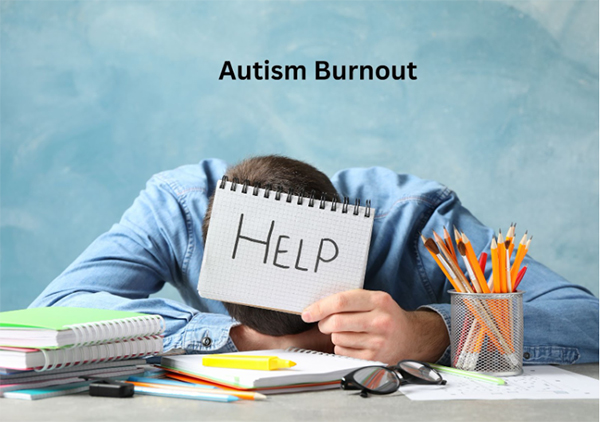
Autism burnout is an increasingly recognized phenomenon characterized by profound physical, emotional, and cognitive exhaustion in autistic individuals. Despite growing discussion within autistic communities, burnout remains poorly understood and frequently misdiagnosed within clinical settings. Many individuals experiencing autism burnout are mislabeled as depressed, treatment-resistant, or “regressing,” leading to inappropriate interventions and delayed support.
Autism burnout is not simply stress or fatigue - it represents a systemic failure to accommodate neurodivergent functioning in a neurotypical world.
What Is Autism Burnout?
Autism burnout refers to a prolonged state of exhaustion and loss of functioning resulting from chronic life stress, sensory overload, and sustained efforts to meet neurotypical expectations. It often follows years of masking, overcompensation, and unmet support needs.
Key features include:
- Extreme physical and mental fatigue
- Loss of previously accessible skills (speech, executive function, emotional regulation)
- Heightened sensory sensitivity
- Increased anxiety, shutdowns, or meltdowns
- Reduced tolerance for social interaction
Unlike depression, burnout is not defined by persistent low mood or anhedonia, though depressive symptoms may coexist.
Neurobiological Contributors
Autistic nervous systems often operate with:
- Heightened sensory processing
- Increased baseline cortical and autonomic arousal
- Greater cognitive effort required for social interpretation and executive functioning
Chronic activation of stress pathways - particularly the hypothalamic-pituitary-adrenal (HPA) axis - leads to sustained cortisol exposure, contributing to exhaustion, emotional dysregulation, and impaired recovery.
Burnout reflects neurophysiological depletion, not psychological weakness.
Masking and Its Mental Health Cost
Masking involves suppressing autistic traits to conform socially, often beginning in childhood. While masking may reduce external stigma, it significantly increases internal distress.
Long-term masking is associated with:
- Increased rates of anxiety and depression
- Identity confusion and dissociation
- Delayed autism diagnosis
- Elevated suicide risk
Burnout frequently emerges when masking becomes unsustainable.
Diagnostic Challenges
Autism burnout is not recognized in diagnostic manuals, leading to frequent misdiagnosis as:
- Major depressive disorder
- Treatment-resistant depression
- Personality disorders
- Somatic symptom disorders
These misdiagnoses often result in escalating pharmacologic treatment rather than environmental or systemic change.
Treatment and Recovery
Recovery from autism burnout requires restoration, not optimization. Effective approaches include:
- Reducing sensory and social demands
- Increasing predictability and routine
- Allowing regression without punishment or shame
- Targeted treatment of anxiety, sleep, or mood symptoms when appropriate
Psychotherapy should focus on self-understanding, boundaries, and nervous system regulation rather than behavioral normalization.
Long-Term Implications
Without recognition and accommodation, autism burnout can lead to:
- Permanent loss of adaptive functioning
- Chronic mental health conditions
- Occupational disability
Early identification and systemic support are critical.
Autism burnout is a legitimate mental health crisis rooted in chronic mismatch between neurodivergent needs and societal expectations. Recognizing burnout as a neurobiological and environmental phenomenon - rather than an individual failure - is essential for ethical, effective care.
Frequently Asked Questions (FAQs)
1. Is autism burnout a medical diagnosis?
No. Autism burnout is not currently recognized as a formal diagnosis in the DSM-5-TR. However, it is increasingly acknowledged in clinical research and by autistic individuals with lived experience. Its absence from diagnostic manuals contributes to frequent misdiagnosis and inadequate treatment.
2. How is autism burnout different from depression?
While autism burnout and depression can coexist, they are not the same condition. Depression is typically marked by persistent low mood and loss of pleasure, whereas autism burnout is characterized by profound exhaustion, sensory overload, and loss of functioning following chronic stress and masking. Treating burnout as depression alone may overlook the need for environmental and systemic change.
3. What causes autism burnout?
Autism burnout results from prolonged exposure to unaccommodated stress, including sensory overload, social demands, executive functioning strain, and sustained masking of autistic traits. Over time, this leads to neurobiological depletion, particularly involving chronic stress-response activation.
4. Can autism burnout happen in children or only adults?
Autism burnout is more commonly identified in adolescents and adults, particularly those diagnosed later in life or those who have spent years masking. However, children can also experience burnout-like symptoms, especially in environments with high demands and limited support.
5. How long does autism burnout last?
The duration varies widely. Burnout may last months or even years, depending on how quickly stressors are reduced and meaningful accommodations are implemented. Recovery is often non-linear and requires patience, rest, and systemic support rather than pressure to “return to normal.”
References
- American Psychiatric Association. (2022). DSM-5-TR: Diagnostic and statistical manual of mental disorders (5th ed., text rev.). APA Publishing.
- Higgins, J. M., Arnold, S. R. C., Weise, J., Pellicano, E., & Trollor, J. N. (2021). Defining autistic burnout through experts by lived experience. Autism in Adulthood, 3(4), 307–317. https://doi.org/10.1089/aut.2021.0026
- Raymaker, D. M., Teo, A. R., Steckler, N. A., Lentz, B., Scharer, M., Delos Santos, A., … Nicolaidis, C. (2020). “Having all of your internal resources exhausted beyond measure”: Defining autistic burnout. Autism in Adulthood, 2(2), 132–143.https://doi.org/10.1089/aut.2019.0079
- Cassidy, S., Bradley, P., Robinson, J., Allison, C., McHugh, M., & Baron-Cohen, S. (2014). Suicidal ideation and suicide plans in adults with Asperger’s syndrome. The Lancet Psychiatry, 1(2), 142–147. https://doi.org/10.1016/S2215-0366(14)70248-2