
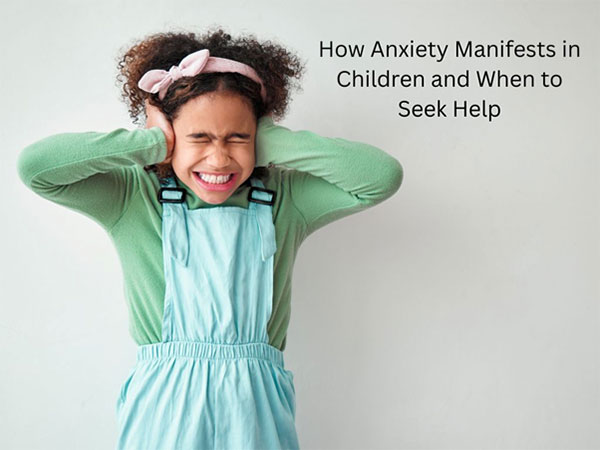
Anxiety is a common experience for many children. It can show itself in many ways. Knowing the signs can help parents protect their child’s well‑being. This article explains the patterns of anxiety in kids and outlines the steps to take when professional help is needed.
Recognizing Anxiety in Children
Physical Symptoms
Headaches: Often appear before or after a stressful event.
Stomach problems: Nausea, cramps, or a sense of tightness.
Sleep changes: Trouble falling asleep or waking often.
Muscle tension: Tight shoulders, clenched jaw, or frequent aches.
Behavioral Symptoms
Avoidance: Staying away from school, friends, or activities that once felt natural.
Changes in routine: Sudden shifts in eating patterns or bedtime habits.
Frequent complaints: Repeatedly voicing worries about upcoming events.
Difficulty concentrating: Noticeable drop in focus during tasks.

Emotional Symptoms
Worry: Persistent thoughts about “what if” scenarios.
Irritability: Quick to display frustration or anger.
Withdrawal: Reduced interest in social interactions or hobbies.
Cognitive Symptoms
Catastrophic thinking: Assuming the worst possible outcome.
Overthinking: Replaying situations over and over.
When Anxiety Becomes a Concern
Frequency and Intensity
If a child experiences anxiety symptoms more than once a week and the symptoms last for several days, the pattern may indicate a problem. When the anxiety reaches a level that hinders daily life - such as school attendance or social engagement - it is time to act.
Duration
A sudden onset that lasts only a few days may be a normal reaction to a specific event. When symptoms persist for a month or longer, the condition may need professional evaluation.
Impact on Functioning
If anxiety limits a child’s ability to:
- Attend school regularly
- Participate in extracurricular activities
- Maintain friendships
- Complete homework or daily tasks
This level of interference indicates the need for additional support.

Escalating Symptoms
Noticeable escalation - such as a sharp rise in stomach pain or an increase in nightmares - should prompt immediate assessment.
Steps to Take When Professional Help Is Needed
1. Observe and Record
Keep a simple log of the child’s symptoms, noting the date, time, and context of each episode. This record can aid a clinician in diagnosing the condition.
2. Explain the Situation
Use clear language with the child. Let them know that the feelings they experience are known and that help is available.
3. Reach Out to a Qualified Provider
Find a child, adolescent, or adult psychiatrist who can assess the child’s mental health. The provider will conduct a thorough evaluation and may recommend therapy or other interventions.
4. Follow the Treatment Plan
Once a professional plan is in place, adhere to the recommended schedule. Consistency in therapy or appointments helps children regain stability.
5. Maintain Open Communication
Keep lines of communication open between parents, teachers, and the healthcare team. Collaboration can provide a supportive environment for the child.
The Role of a Specialist
A psychiatrist with experience in children can distinguish between normal growing‑up anxiety, situational stress, and an anxiety disorder that requires treatment. A specialist will use structured interviews, observational data, and validated questionnaires as part of the assessment. The goal is to create a realistic, step‑by‑step plan to reduce anxiety and improve daily functioning.

Final Thoughts
Anxiety in children is common but can become problematic if it shows up frequently, lasts long, or interferes with everyday life. Recognizing physical, behavioral, emotional, and cognitive signs is essential. When symptoms exceed normal boundaries, early professional help can prevent escalation. Parents should maintain records, communicate clearly, and seek help from a qualified child psychiatrist. Early intervention improves long‑term outcomes and supports healthy development.
Dr. Priti Kothari is a Child, Adolescent, and Adult Psychiatrist practicing in Florida. Her practice provides structured psychiatric evaluations and evidence-based treatment for anxiety in children and adolescents. By assessing symptom patterns, functional impact, and developmental factors, Dr. Kothari works with families to create clear, individualized treatment plans aimed at reducing anxiety and improving everyday functioning.
References
- Centers for Disease Control and Prevention. (2023). Anxiety and depression in children.
https://www.cdc.gov/children-mental-health/about/about-anxiety-and-depression-in-children.html - American Academy of Child and Adolescent Psychiatry. (2022). Anxiety disorders in children and adolescents.
https://www.aacap.org/AACAP/Families_and_Youth/Resource_Centers/Anxiety_Disorder_Resource_Center/Home.aspx - National Institute of Mental Health. (2024). Anxiety disorders.
https://www.nimh.nih.gov/health/topics/anxiety-disorders - Cleveland Clinic. (2023). Anxiety in children: Causes, symptoms, and treatment.
https://my.clevelandclinic.org/health/diseases/anxiety-in-children - NHS. (2023). Anxiety disorders in children.
https://www.nhs.uk/mental-health/children-and-young-adults/advice-for-parents/anxiety-disorders-in-children/ - World Health Organization. (2022). Adolescent mental health.
https://www.who.int/news-room/fact-sheets/detail/adolescent-mental-health - Healthdirect Australia. (2023). Anxiety in children.
https://www.healthdirect.gov.au/anxiety-in-children