
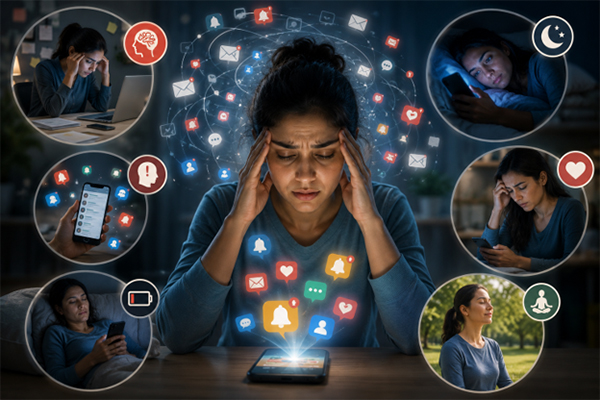
Smartphone notifications have become a routine part of everyday life. Messages, emails, social media updates, and app alerts help people stay connected and informed, but constant interruptions can also create a sense of pressure and mental overload. Understanding how frequent notifications affect stress levels, attention, and emotional well-being can help individuals develop healthier relationships with technology.
What Does This Mean?
Constant smartphone alerts can keep the brain in a state of continuous readiness, making it difficult to fully disconnect or focus on the present moment. While a single notification may seem harmless, repeated interruptions throughout the day can increase mental demands and make it harder to maintain concentration, complete tasks, or relax.
Notifications are designed to capture attention, and many people develop habits of checking their devices immediately when an alert appears. Over time, this pattern can create a cycle where individuals feel the need to stay constantly available, even when there is no urgent reason to respond.
Common Ways Notifications Can Affect Mental Health
Increased Stress and Mental Overload
Frequent alerts can create a feeling of always having something that requires attention. This ongoing mental pressure may contribute to stress, frustration, and difficulty feeling fully at rest.
Reduced Focus and Productivity
Notifications interrupt concentration and encourage frequent task switching. Moving repeatedly between work, messages, and apps can make it harder to complete important tasks efficiently.
Difficulty Relaxing and Disconnecting
When smartphones are constantly providing new information, some individuals may find it challenging to create moments of quiet or relaxation. This can affect emotional recovery and overall stress management.
Impact on Sleep Quality
Checking notifications late at night or keeping devices nearby during sleep hours may interfere with healthy sleep routines. Poor sleep can contribute to changes in mood, energy levels, and emotional regulation.
Emotional Reactivity
Some notifications, especially those related to social media, news, or stressful communications, may trigger immediate emotional responses. Frequent exposure to emotionally charged content can increase feelings of anxiety or overwhelm.
How This Affects Daily Life
Reducing unnecessary notifications and creating healthier digital habits can support:
- Improved focus and attention
- Lower daily stress levels
- Better emotional regulation
- More restful sleep routines
- Increased ability to be present during personal interactions
Small changes in smartphone habits can help individuals feel more in control of their time and attention.
Strategies and Support Options
Customize Notification Settings: Turn off alerts that are not essential and allow only important communications to come through.
Create Phone-Free Periods: Establish times during the day when devices are set aside, such as during meals, family activities, or relaxation periods.
Practice Intentional Checking: Instead of responding to every alert immediately, choose specific times to review messages and updates.
Use Technology Mindfully: Pay attention to how certain apps and digital activities affect mood, stress, and attention.
Seek Professional Support When Needed: Mental health professionals can help individuals develop strategies for managing technology-related stress, anxiety, or difficulties with emotional regulation.
In Conclusion
Smartphone notifications are designed to keep people connected, but constant alerts can contribute to stress, distraction, and emotional fatigue when not managed intentionally. Creating boundaries around notifications allows individuals to use technology in a healthier way while protecting focus, sleep, and emotional well-being. A balanced approach helps smartphones remain useful tools without allowing them to create unnecessary mental strain.
About Dr. Priti Kothari
Dr. Priti Kothari is a board-certified child, adolescent, and adult psychiatrist in Boca Raton. She specializes in ADHD, anxiety, executive functioning challenges, and mental health strategies, helping individuals and families develop practical approaches for emotional regulation, stress management, and improved daily functioning.
Frequently Asked Questions
Can smartphone notifications increase stress?
Yes. Frequent interruptions and the pressure to respond quickly can contribute to feelings of stress and mental overload.
Should I turn off all smartphone notifications?
Not necessarily. Keeping important alerts while limiting unnecessary notifications can create a healthier balance.
Can reducing notifications improve focus?
Yes. Fewer interruptions can make it easier to maintain attention, complete tasks, and stay mentally organized.