
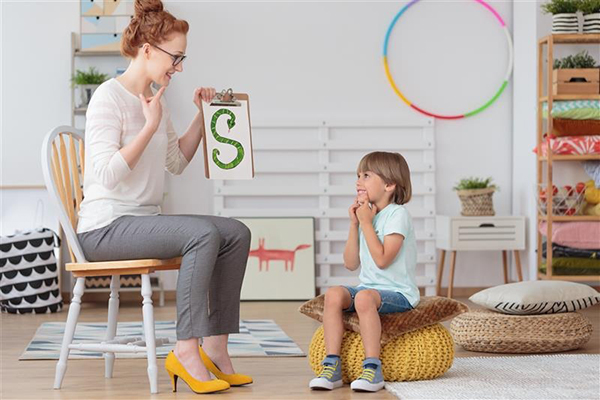
Speech therapy is a key component of intervention for individuals with autism spectrum disorder (ASD), particularly in addressing communication challenges. Many children with autism experience speech delays, difficulties with language development, or challenges in social interaction. Speech-language pathologists work with children to improve both verbal and non-verbal communication skills, helping them express themselves more effectively.
One of the primary goals of speech therapy in autism is to improve language development. This includes helping children understand and use words, form sentences, and communicate their needs and emotions. Therapy is often tailored to each child’s level of ability, ensuring a personalized and supportive approach.
Social communication is another important focus of speech therapy. Many children with autism have difficulty with skills such as maintaining eye contact, taking turns in conversation, understanding social cues, and interacting appropriately with others. Developing these skills is essential for building relationships and functioning in social environments.
In some cases, children with autism may benefit from augmentative and alternative communication (AAC) methods. These may include picture-based systems, communication boards, or electronic devices that assist in communication. Speech therapists help determine the most suitable tools for each child and guide families in their effective use.
Another key aspect of speech therapy is improving articulation and clarity of speech. Some children may have difficulty producing certain sounds or speaking clearly. Targeted exercises and techniques can help improve pronunciation and overall speech intelligibility, which increases confidence in communication.
Speech therapists are highly trained professionals who undergo specialized education and clinical training. Early and consistent speech therapy can significantly improve communication skills in children with autism. With the right support, children can develop meaningful communication abilities that enhance their social interaction, learning, and overall quality of life.