
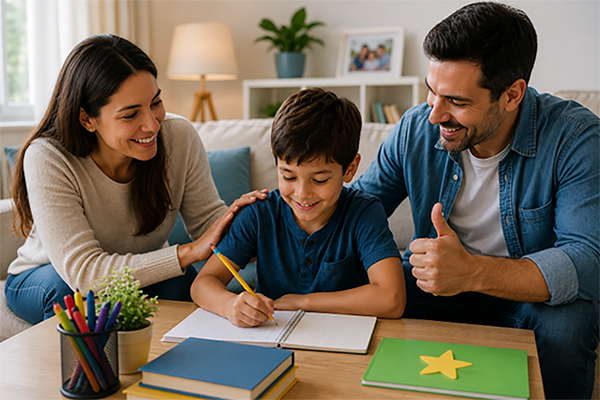
Parenting plays an important role in children’s emotional development, confidence, and ability to manage challenges. Children learn how to understand emotions, solve problems, and interact with others through their relationships with caregivers. A supportive parenting approach that combines connection, structure, and encouragement can help children feel secure while developing important life skills.
For children with ADHD, anxiety, or emotional regulation challenges, parenting may sometimes require additional patience and flexibility. These children may experience difficulties with attention, impulse control, managing emotions, or following expectations. Positive parenting strategies can help families create supportive environments where children feel understood while also learning appropriate behaviors and responsibility.
What Does This Mean?
Positive parenting focuses on building a strong relationship with children while providing clear guidance and consistent expectations. It does not mean avoiding rules or allowing children to make every decision. Instead, it involves understanding children’s needs, responding with empathy, and teaching skills through support and encouragement.
Children develop best when they feel connected to the important adults in their lives. A strong parent-child relationship creates a foundation where children feel safe expressing emotions, asking for help, and learning from mistakes.
Common Ways Positive Parenting Supports Children’s Development
Building Strong Connections
A positive relationship between parents and children helps children feel valued, understood, and supported. Simple moments of connection, such as listening, spending quality time together, and showing interest in a child’s experiences, can strengthen trust.
When children feel connected, they are often more willing to communicate, accept guidance, and work through challenges with support.
Creating Clear and Consistent Expectations
Children benefit from knowing what is expected of them. Clear rules and predictable routines help children understand boundaries and feel more secure.
Consistency does not mean every situation must be handled exactly the same way. Instead, it means children receive clear messages about expectations and consequences, which helps them learn responsibility over time.
Encouraging Positive Behaviors
Children often respond well when adults notice and acknowledge their efforts. Positive reinforcement can help children understand which behaviors are helpful and encourage them to continue practicing those skills.
Recognizing small successes, such as completing a task, managing emotions, or trying something new, can build confidence and motivation.
Supporting Emotional Regulation
Children do not automatically know how to manage strong emotions. They learn emotional regulation through guidance, practice, and support from caregivers.
Parents can help children identify feelings, understand triggers, and practice healthy coping strategies. Teaching children that emotions are normal while helping them choose appropriate responses supports long-term emotional development.
Understanding Behavior as Communication
Children’s behaviors often communicate needs, emotions, or challenges. A child who becomes frustrated, avoids a task, or reacts strongly may be experiencing difficulty managing a situation.
Looking beyond the behavior and understanding what may be causing it can help parents respond more effectively while still maintaining appropriate boundaries.
Encouraging Independence and Problem-Solving
Positive parenting involves supporting children while allowing them opportunities to learn and make mistakes. Giving children age-appropriate responsibilities helps them develop confidence and independence.
When parents guide children through challenges instead of immediately solving every problem, children learn important skills such as decision-making and resilience.
How This Affects Daily Life
Positive parenting strategies can help children develop:
- Stronger emotional regulation skills
- Increased confidence and self-esteem
- Better communication abilities
- Improved problem-solving skills
- Greater independence and responsibility
- Healthier relationships with family and peers
A supportive parenting approach can create a home environment where children feel safe while learning how to manage challenges.
Strategies and Support Options
Practice Active Listening:
Giving children attention when they share thoughts or feelings helps them feel heard. Listening before responding can improve communication and strengthen relationships.
Use Positive Reinforcement:
Acknowledging effort, progress, and positive choices helps children understand what behaviors are encouraged. Praise can be specific, such as recognizing patience, teamwork, or problem-solving.
Set Realistic Expectations:
Expectations should match a child’s developmental level and individual abilities. Children may need additional support when learning new skills, especially if they experience attention or emotional regulation challenges.
Create Predictable Routines:
Consistent routines can help children feel secure and reduce stress. Regular schedules for daily activities, homework, meals, and bedtime provide structure and support independence.
Respond Calmly During Difficult Moments:
Children often learn emotional regulation by observing adults. Modeling calm communication and problem-solving can teach children how to handle frustration and conflict.
Encourage Effort Rather Than Perfection:
Focusing on progress helps children develop a growth mindset. Encouraging children to keep trying teaches them that skills improve with practice.
Support Children With ADHD or Emotional Challenges:
Some children may need additional strategies to manage attention, behavior, or emotions. Tools such as visual schedules, clear instructions, behavioral strategies, therapy, parent training, or medication when recommended by a qualified healthcare provider can provide additional support.
Seek Professional Support When Needed:
Parent coaching, behavioral interventions, and mental health support can help families develop strategies tailored to their child’s needs. Professional guidance can be especially helpful when challenges significantly affect daily routines, relationships, or emotional well-being.
In Conclusion
Positive parenting helps children develop emotional strength, confidence, and important life skills through connection, structure, and encouragement. Children need both support and guidance to understand emotions, manage challenges, and become independent.
By building strong relationships, setting clear expectations, recognizing progress, and responding with understanding, parents can create environments where children feel secure and capable. With consistent support, children can develop the skills they need to navigate challenges and grow with confidence.
About Dr. Priti Kothari
Dr. Priti Kothari is a board-certified child, adolescent, and adult psychiatrist in Boca Raton. She specializes in ADHD, anxiety, executive functioning challenges, and child mental health, helping children and families develop practical strategies for emotional regulation, coping skills, and improved daily functioning.
Frequently Asked Questions
Does positive parenting mean avoiding discipline?
No. Positive parenting includes clear boundaries and expectations while focusing on teaching skills, understanding behavior, and using supportive approaches.
How can parents encourage better behavior in children?
Parents can encourage positive behavior by recognizing effort, setting clear expectations, using consistent routines, and providing guidance during challenges.
Can positive parenting help children with ADHD?
Yes. Positive parenting strategies can support children with ADHD by providing structure, encouragement, and tools that help them develop emotional and behavioral skills.
What should parents do when challenges feel overwhelming?
Parents can seek support from mental health professionals, parent training programs, or healthcare providers who can provide guidance based on the child’s individual needs.