
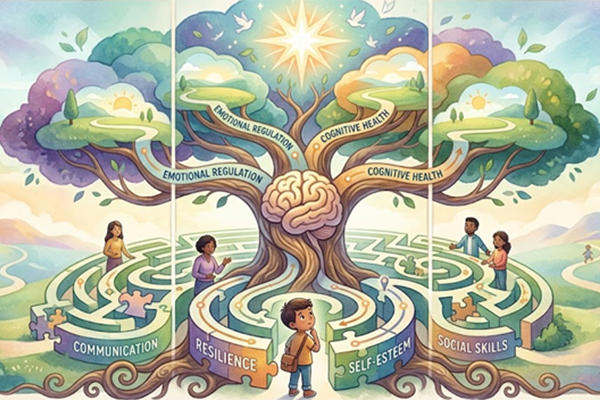
Many children in the United States experience mental health conditions such as ADHD, autism, anxiety, depression, or OCD. Because these conditions are widespread, understanding how common they are—and why early support is critical—can help families and caregivers respond effectively.
What Does This Mean?
Pediatric mental health conditions can affect emotional regulation, behavior, social skills, and learning. Early recognition and intervention can improve a child’s ability to thrive in school, at home, and in social settings. Without support, symptoms can persist or worsen over time, making daily life more challenging for both children and families.
Common Signs of Pediatric Mental Health Conditions
1. Difficulty Focusing
Trouble paying attention in school or during tasks.
2. Emotional Dysregulation
Frequent mood swings, irritability, or frustration.
3. Social Challenges
Difficulty making or keeping friends, avoiding group activities.
4. Repetitive or Restrictive Behaviors
Common in conditions such as autism or OCD.
5. Anxiety or Worry
Excessive fear, nervousness, or avoidance of certain activities.
6. Sleep or Appetite Changes
Disturbances in sleep patterns or eating habits.
Why This Happens
Several factors contribute to pediatric mental health conditions:
- Neurodevelopmental Differences
ADHD, autism, and other conditions are linked to brain development and functioning. - Environmental Stressors
Family stress, school challenges, or traumatic events can influence emotional health. - Genetics
A family history of mental health conditions increases risk.
How This Affects Daily Life
When mental health conditions are not addressed early, children may experience:
- Struggles in school performance
- Social isolation or difficulty forming friendships
- Increased stress for families
- Lower self-confidence and self-esteem
Early intervention can significantly reduce these challenges.
When to Seek Help From a Specialist
Consider professional support if:
- Symptoms interfere with school, home, or social life
- Behavioral or emotional changes are noticeable and persistent
- The child shows signs of distress, anxiety, or withdrawal
Strategies and Support Options
- Early Screening
Regular check-ins with pediatricians or school counselors. - Parental Guidance
Observing patterns and seeking guidance early. - Behavioral Interventions
Therapies to support emotional regulation, social skills, or attention. - Educational Support
Collaboration with teachers for accommodations and structured learning. - Community and Peer Support
Programs that provide safe spaces and social learning opportunities.
With the right support, children can learn coping skills, build confidence, and improve daily functioning.
About Dr. Priti Kothari
Dr. Priti Kothari is a board-certified child, adolescent, and adult psychiatrist providing comprehensive mental health care in Boca Raton. She specializes in ADHD, anxiety, depression, PTSD, and stress-related conditions. Dr. Kothari helps families recognize early signs of mental health conditions and guides them toward appropriate care and long-term well-being.
Frequently Asked Questions
How common are mental health conditions in children?
About one in six children in the United States experience a mental health disorder each year.
Why is early support important?
Early recognition and intervention can improve emotional, social, and academic outcomes.
Can mental health conditions improve with treatment?
Yes, appropriate therapies and interventions can significantly improve functioning and quality of life.
Should I seek help even if I’m unsure?
Yes, consulting a pediatric mental health professional can provide clarity and support.