
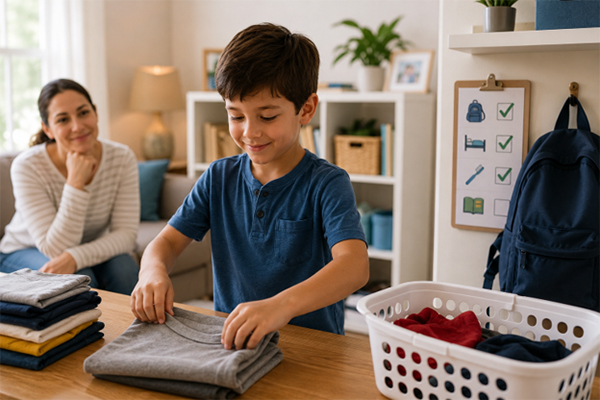
Independence is an important part of childhood development. As children grow, they learn how to complete tasks, make decisions, solve problems, and take responsibility for their actions. Everyday responsibilities provide valuable opportunities for children to practice these skills while building confidence and a sense of capability.
For children with ADHD, anxiety, or executive functioning challenges, developing independence may sometimes require additional support. Tasks such as organizing belongings, following routines, managing emotions, or completing daily responsibilities can feel overwhelming. With patience, structure, and encouragement, children can gradually develop the skills needed to become more independent.
What Does This Mean?
Independence does not mean children should manage everything on their own without support. Instead, independence means helping children develop the confidence and skills to handle age-appropriate responsibilities while knowing when and how to ask for help.
Life skills are the everyday abilities children use to manage tasks, solve problems, communicate needs, and participate in family and community life. These skills develop gradually through practice, guidance, and opportunities to make choices.
When adults provide the right balance of support and independence, children learn that they are capable of handling challenges and contributing in meaningful ways.
Common Ways Everyday Responsibilities Support Children’s Development
Building Confidence Through Achievement
Completing everyday tasks gives children opportunities to experience success. Simple responsibilities, such as putting away toys, preparing school materials, helping with household tasks, or managing personal belongings, can help children recognize their abilities.
When children see that their efforts make a difference, they develop greater confidence and a stronger belief in their own skills.
Strengthening Problem-Solving Skills
Everyday responsibilities naturally create opportunities for children to think through challenges. A child may need to decide how to organize their backpack, solve a problem during a task, or figure out what steps are needed to complete a responsibility.
Allowing children to work through age-appropriate problems helps them develop critical thinking skills and become more comfortable finding solutions.
Developing Executive Functioning Skills
Many daily responsibilities involve executive functioning skills, including planning, organization, time management, and self-monitoring.
For example:
- A child preparing for school practices planning and organization.
- A child following a morning routine practices sequencing and time management.
- A child completing chores practices responsibility and task completion.
These skills become stronger through repeated practice and consistent support.
Encouraging Responsibility and Ownership
Children develop independence when they understand that their actions have meaning. Giving children responsibilities that match their developmental level helps them feel involved and valued.
When children have opportunities to contribute, they learn that they are trusted members of the family and community.
Supporting Emotional Growth
Learning independence also involves managing frustration, mistakes, and challenges. Children may become discouraged when tasks feel difficult or when they do not complete something perfectly.
Supporting children through these moments helps them learn persistence, flexibility, and emotional regulation. Understanding that mistakes are part of learning can help children approach challenges with confidence.
Improving Self-Advocacy Skills
Independent children learn how to recognize their needs and communicate when they need support. Whether asking for clarification, requesting help, or explaining a challenge, self-advocacy is an important life skill.
Encouraging children to express their thoughts and needs helps them become more confident in different environments.
How This Affects Daily Life
Building independence through everyday responsibilities can help children develop:
- Greater confidence in their abilities
- Improved problem-solving skills
- Stronger organization and planning skills
- Increased responsibility and self-awareness
- Better emotional regulation
- More confidence making decisions
These skills support children at home, school, and in social situations as they continue to grow.
Strategies and Support Options
Start With Age-Appropriate Responsibilities:
Children develop independence when tasks match their abilities. Younger children may begin with simple responsibilities, while older children can gradually take on more complex tasks.
Break Tasks Into Smaller Steps:
Some children may feel overwhelmed when responsibilities involve multiple steps. Breaking tasks into smaller parts can make them easier to understand and complete.
Use Routines and Visual Supports:
Predictable routines, checklists, and reminders can help children understand expectations and develop habits over time.
Allow Children to Try Before Helping:
Providing opportunities to attempt tasks independently helps children build confidence. Adults can offer guidance without immediately taking over.
Praise Effort and Progress:
Recognizing effort, improvement, and persistence encourages children to continue practicing new skills. Focusing on growth rather than perfection helps build confidence.
Encourage Decision-Making:
Offering children choices, such as selecting activities or deciding how to organize tasks, helps them practice independence and responsibility.
Support Children With ADHD or Executive Functioning Challenges:
Children who experience attention, organization, or planning difficulties may need additional structure. Tools such as schedules, reminders, step-by-step instructions, and consistent encouragement can help them develop independence.
Seek Professional Support When Needed:
Some children may benefit from therapy, behavioral support, parent coaching, or other evidence-based interventions. Mental health professionals can help families develop strategies based on a child’s individual needs.
In Conclusion
Helping children develop independence is an important part of healthy emotional and developmental growth. Everyday responsibilities provide opportunities for children to build confidence, practice problem-solving, and develop skills they will use throughout life.
By offering guidance, creating supportive routines, and allowing children opportunities to practice, parents and caregivers can help children become more capable and confident. Independence develops gradually, and with encouragement and support, children can learn that they are capable of handling challenges and contributing in meaningful ways.
About Dr. Priti Kothari
Dr. Priti Kothari is a board-certified child, adolescent, and adult psychiatrist in Boca Raton. She specializes in ADHD, anxiety, executive functioning challenges, and child mental health, helping children and families develop practical strategies for emotional regulation, coping skills, and improved daily functioning.
Frequently Asked Questions
At what age should children start learning independence skills?
Children can begin developing independence skills from an early age through simple responsibilities that match their developmental level. Skills can gradually become more complex as children grow.
How can parents encourage independence without overwhelming children?
Parents can provide age-appropriate responsibilities, break tasks into smaller steps, offer guidance, and allow children time to practice skills.
Do children with ADHD need extra support when learning independence?
Some children with ADHD may need additional structure, reminders, and guidance because of challenges with organization, planning, and attention. With support, they can develop strong independence skills.
Why is independence important for children’s mental health?
Developing independence can improve confidence, self-esteem, problem-solving abilities, and a child’s belief in their ability to handle challenges.